
The Hidden Costs of Tirzepatide Stockpiling: Expiration Realities, Inventory Volatility, and the Myth of Unverified Freezing
In this article
The procurement landscape for peptide research materials has shifted dramatically as laboratories, compounding clinics, and independent researchers navigate supply chain uncertainties. Across community forums like Reddit, discussions frequently center around inventory accumulation. For instance, a recent observation on r/tirzepatidecompound highlighted the meticulous tracking required for large-scale reserves, where researchers debate whether to log preparation dates or beyond-use dates (BUDs) as stockpiles grow. Similarly, discussions regarding extended inventory strategies and experimental preservation methods—such as tracking frozen vial updates over multiple iterations—reflect a widespread desire to maximize supply longevity.
However, aggressive bulk acquisition introduces several overlooked vulnerabilities. When purchasing research-grade materials in high volumes, procurement managers must weigh financial discounts against degradation risks, inventory redundancy, and the dangerous fallacy of unverified preservation techniques.
The Inventory Trap: Expiration Dates vs. Beyond-Use Realities
A primary hazard of over-purchasing peptide supplies lies in the strict temporal boundaries governing chemical integrity. Liquid formulations and compounded solutions carry rigid stability profiles, forcing researchers to constantly evaluate BUD logs against actual delivery timestamps. When clinical practices or independent laboratories buy excessive quantities to hedge against market fluctuations, they often outpace their actual experimental throughput.
By contrast, solid-state presentation forms behave differently under controlled environments, but treating all inventory with a blanket expiration mindset leads to premature waste or compromised research outcomes. Stockpiling creates a false sense of security; surplus inventory sitting on a shelf depreciates in utility if degradation outpaces consumption. Furthermore, managing dozens of vials requires rigorous record-keeping to prevent cross-batch contamination or tracking failures, turning inventory management into a administrative burden.
The Freezing Fallacy: Liquid Formulations vs. Lyophilized Integrity
As community discussions illustrate, attempts to artificially extend shelf-life through home or unorthodox freezing protocols are increasingly common. However, applying generalized freezing strategies to delicate peptide chains without empirical validation introduces severe risks.
It is vital to distinguish between pre-mixed liquid solutions and stable lyophilized (freeze-dried) presentations:
- Pre-mixed liquids are highly susceptible to freeze-thaw structural stress, ice crystal formation, and peptide aggregation, which can disrupt molecular conformation.
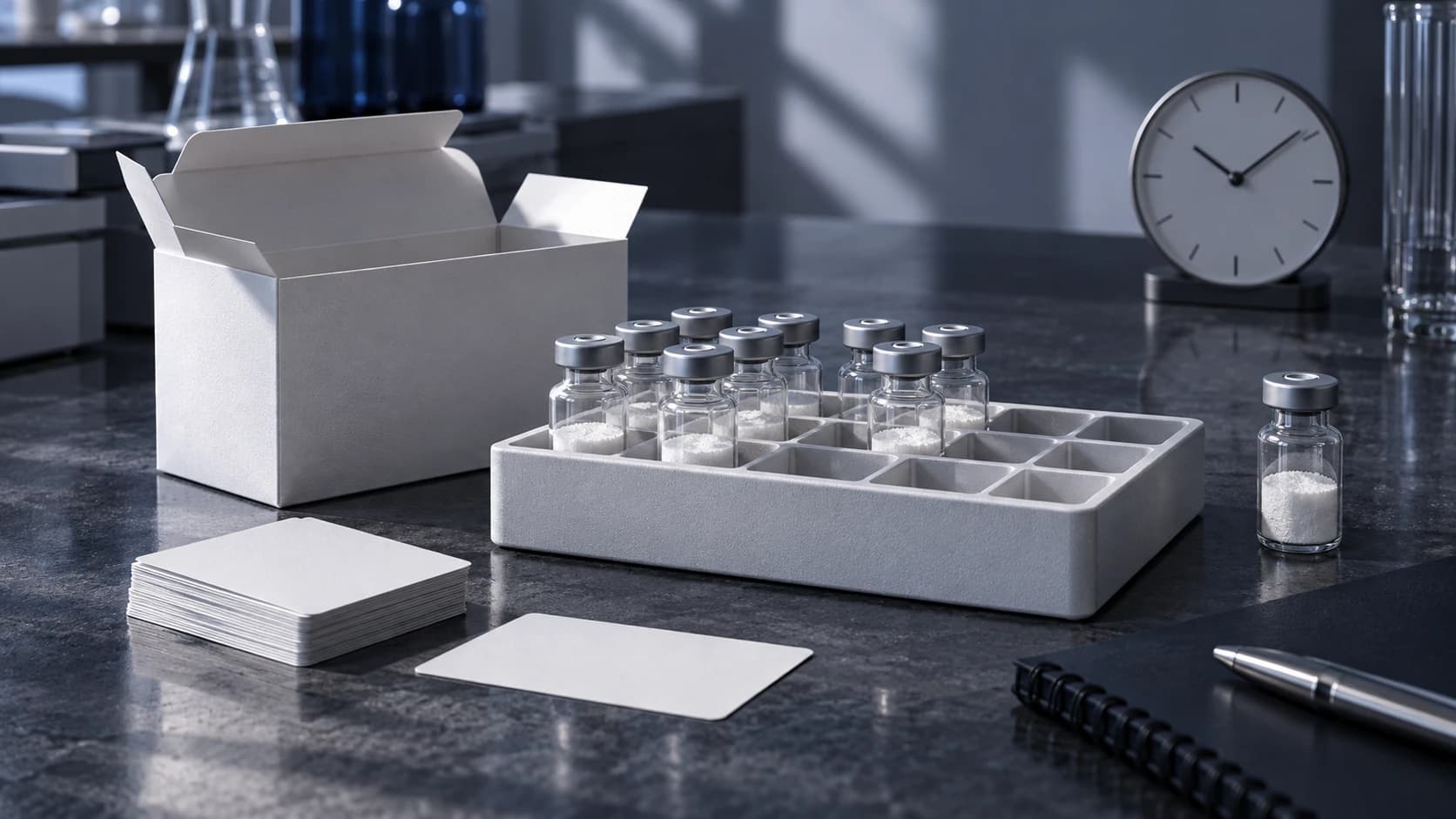
- Lyophilized peptides, such as those cataloged on the Neropep Tirzepatide Product Page, are engineered for stability in dry form, but they still demand strict adherence to specified storage parameters rather than arbitrary sub-zero experimentation.
Assuming that any vial can be indefinitely preserved via residential freezing methods undermines experimental reproducibility. Without verified thermal cycling data and analytical validation, freezing liquid or reconstituted compounds often results in silent potency loss.
Mitigating Procurement Risk Through Transparent Sourcing
For research institutions, clinics, and high-volume buyers, sustainable procurement relies on predictability rather than speculative stockpiling. Accumulating massive reserves of unverified batches creates financial lock-in and elevates exposure to degraded material.
A resilient procurement strategy prioritizes traceability and analytical verification over sheer volume. Researchers can review specific batch documentation and analytical profiles directly through the Neropep COA Verification Portal to ensure material consistency before initiating large-scale protocols. For specialized institutional requirements or structured supply arrangements, engaging directly via the Neropep Request a Quote Page allows laboratories to align acquisition volumes with actual experimental timelines, minimizing holding costs and degradation exposure.
To explore the broader biochemical context of this dual-agonist molecule, consult the Neropep Tirzepatide Research Hub. By replacing speculative stockpiling with precise, verified inventory management, laboratories can safeguard both their scientific integrity and their operational efficiency.